Posts

Phase I Environmental Site Assessment ASTM Standards an Overview
Image
Phase I Environmental Site Assessment ASTM Standards that classifies recognized environmental conditions (RECs) on reagent l property to estimate environmental risks linked to the property.  It is also called "Phase I ESA" and is an integral part of the real estate due diligence process. Phase I process is essential to make sure you know the property's actual value and assure there is no soil or groundwater contamination from previous use or from neighboring sites that may be impacting the property's value or limiting its use due to regulatory-mandated cleanup, or in some.  The current (E1527-13) version of the ASTM Phase I standard, used by EPA and the states to determine whether sufficient environmental due diligence phase 1 has been conducted for a purchaser to utilize CERCLA defenses, is scheduled to be updated this year. While the revised standard has not been finalized, several possible changes of potential significance have been proposed. The critical areas o...
Phase I And Phase II Environmental Site Assessment Details

Image
  Environmental site assessment - Phase I And Phase II - as some regular workings for a real estate holding classifying current environmental contamination liabilities.  Phase I environmental assessment and phase II environmental assessment are fundamental phases to address the property's underlying land and physical alterations.  Also, to distinguish hazardous substances, highlight issues to landowners and individual proposed purchasers, and excuse them from liability. These site assessments come under due diligence as often, buyers are questioned for legal liability because of environmental concerns.  The Phase I assessment includes documenting and monitoring with the property owners and others to organize data. Phase II assessments work a little more on extended parameters, including analyzing soil and water samples.  phase 1 environmental site assessment in california was assigned by CERCLA for managing liabilities for environmental contamination of real e...

Importance of a Phase I Environmental Site Assessment

Image
An ESA's purpose is to classify any latent contamination in the soil and groundwater before buying the land. Its conclusions could either store or destroy a site. Land Owners need an ESA while buying or selling commercial real estate property. The article will take an extensive dive into the two most generally conducted phases of an Environmental Site Assessment and provide you with information on each of these phases and why we need them. Why have an Environmental Site Assessment! ESA is essential to decide if a property presents a debt risk. These ESAs help to recognize the hazards of contamination from such contaminants as petroleum, pesticides, and many such similar substances. ESAs also help lenders identify potential or actual contamination, compliance, or non-compliance with applicable laws and methods to deal with the identified contamination as the entire procedure continues. The priority is to conduct a Phase I ESA, and that too before a real estate deal is substantial an...

How Remediation & Environmental Cleanup Services Companies Work

Image
Environmental remediation refers to removing pollution or contaminants from environmental means such as groundwater, soil, sand, or surface water. Several companies like Fulcrum Resources Environmental work to remediate contaminated structures, soil, and groundwater; eliminate hazardous material, and decrease toxic materials like lead and asbestos. Industry engineers also work on mine reclamation projects, including wastewater treatment, demolition, and revegetation.  The goal is more than just eliminating radiation sources; it is about preserving both the environment & people against probable harmful effects from exposure to ionizing radiation. Environmental cleanup services companies offer: Site remediation services Building remediation services Environmental emergency response services Other services that include activities such as -  Abating and eliminating asbestos Cleaning up oil spills Remediating and cleaning up buildings Abating and eliminating lead paint Remedi...

Knowing About Hazardous Wastes and Hazardous Waste Classification

Image
  Knowing Hazardous Wastes: Hazardous waste has properties that make it more likely dangerous & harmful to the environment and human health.  Hazardous wastes  are liquids, solids, or contained gases. These could be due to manufacturing processes, discarded used and unused materials, products like pesticides, or cleaning fluids. Hazardous Waste Classification: We can classify wastes as hazardous wastes if they exhibit any of the below-mentioned characteristics. Corrosivity Corrosive wastes are elements that are acids or exhibit acidic or alkaline solutions. There are aqueous wastes with a less than or equal to 2.0 pH and more than or equal to 12.5 eroding. Some Liquid wastes are corrosive if it corrodes metal containers, storage tanks, drums, and containers. Ignitability Ignitable wastes can produce fires under some conditions, undergo spontaneous combustion, or have a flash point less than 140°F. These can be waste oil and used catalysts. Toxicity Toxic waste is toxi...

Sub-Slab Depressurization Systems and Sub-slab depressurization System Installation

Image
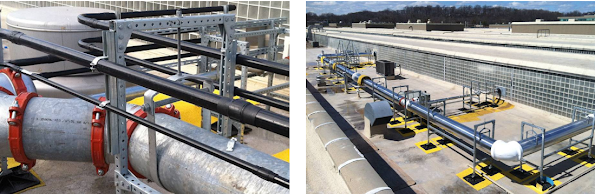
  Sub-slab depressurization systems first began in the early 1990s to fix radon gas problems in homes. The sub-slab system uses a fan or blower attached to pipes placed in shallow pits below a building floor slab and drains the vapors into the atmosphere. The process stops vapors from entering occupied areas.    The amount of negative pressure required depends on two main site conditions:  1) airflow in the material instantly beneath the slab; and  2) airflow and pressure variations created by the building heating and air-conditioning systems.  An SSD system needs a relatively low vacuum, so blower sizes tend to be much cost-effective per building area included. On checking the complete site, the engineer conducts a design test to verify that the SSD will extract air from beneath the slab. The design test is a small-scale mock-up of a full-scale system through which small diameter extraction and monitoring points are connected.    Sub-s...

Environmental Phase 1 Site Assessment and Environmental Due Diligence

Image
While acquiring or selling real estate, Environmental considerations are most important to consider. Due to this, due diligence, environmental site assessment have become regular in such transactions. The purchaser or seller needs to conduct environmental due diligence and ascertain the seller's property value. Considerations of site owners about site assessments and environmental due diligence are quite different than those of a purchaser. Owners are more curious about the confidentiality of information developed and reporting obligations that might result from the newly acquired information. Purchasers are concerned with knowing environmental costs and qualifying as honest landowners concerning possible liability following the Comprehensive Environmental Response, Compensation, and Liability Act. The buyers of business assets and lenders are concerned with carrying on and expanding business services. Environmental due diligence is required to address these issues. Site ass...